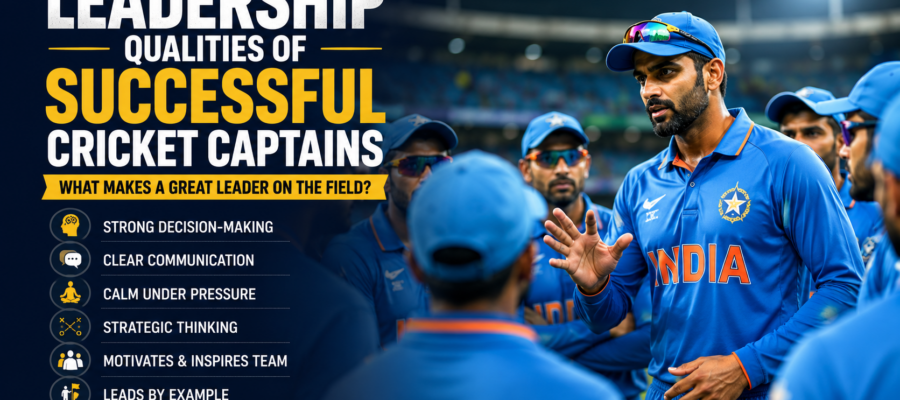
What Makes a Great Leader on the Field?
Cricket is often called a game of skill, patience, and strategy. While talented players can win matches, it is usually a great captain who transforms a good team into a championship-winning side. Throughout cricket history, legendary captains have inspired their teams through smart decision-making, calmness under pressure, and exceptional leadership abilities.
From MS Dhoni’s composed captaincy to Ricky Ponting’s aggressive leadership and Eoin Morgan’s innovative approach, successful cricket captains have demonstrated qualities that go beyond batting, bowling, or fielding skills. Their ability to lead, motivate, and strategize often becomes the difference between victory and defeat.
In this article, we will explore the most important leadership qualities of successful cricket captains and understand why these traits are essential in modern cricket.
1. Strong Decision-Making Ability
One of the most critical responsibilities of a cricket captain is making decisions under pressure. Whether it’s choosing the batting order, setting the field, deciding when to bowl a particular bowler, or reviewing an umpire’s decision, captains constantly face high-pressure situations.
Successful captains analyze the match situation quickly and make confident decisions. Even when the outcome is uncertain, they trust their judgment and take responsibility for their choices.
Great captains understand that hesitation can cost matches. Therefore, decisive leadership remains one of the most valuable qualities in cricket.
2. Excellent Communication Skills
Communication is the foundation of effective leadership. A captain must clearly communicate strategies, motivate teammates, and maintain positive relationships within the squad.
Successful cricket captains know how to speak differently to different players. Some players respond to encouragement, while others perform better when challenged. Understanding these personalities allows captains to bring out the best in every team member.
Strong communication also helps avoid misunderstandings and keeps the team focused on common goals.
3. Ability to Stay Calm Under Pressure
Cricket matches often involve tense situations where emotions can influence performance. A captain who remains calm during difficult moments gives confidence to the entire team.
MS Dhoni became famous for his ability to stay composed during high-pressure situations. His calm demeanor helped teammates remain focused and execute plans effectively.
When a captain stays relaxed, players feel secure and are more likely to perform confidently under pressure.
4. Strategic Thinking and Game Awareness
Modern cricket requires more than just talent. Captains must think several steps ahead and anticipate the opposition’s strategy.
Successful captains carefully analyze pitch conditions, player strengths, weather factors, and match situations before making tactical decisions. They constantly adapt their plans based on changing circumstances.
Strategic thinking enables captains to exploit weaknesses in the opposition and maximize their team’s strengths.
5. Leading by Example
Players naturally respect leaders who practice what they preach. Great cricket captains lead through actions rather than words alone.
When captains display commitment, discipline, and hard work, teammates become motivated to follow their example. Whether it’s scoring crucial runs, taking important wickets, or showing dedication during training sessions, leading by example builds trust and credibility.
A captain’s attitude often sets the standard for the entire team.
6. Confidence and Self-Belief
Confidence is contagious. When a captain believes in the team’s ability to succeed, players often develop the same mindset.
Successful captains remain positive even after setbacks. Instead of focusing on mistakes, they encourage players to learn and improve. This confidence helps teams recover from difficult situations and maintain a winning mentality.
However, true confidence differs from arrogance. Great leaders balance self-belief with humility and continuous learning.
7. Team Building and Motivation
Cricket is a team sport where unity plays a significant role in success. Effective captains create a positive environment where every player feels valued and motivated.
They recognize individual contributions, celebrate achievements, and support players during challenging periods. This approach builds trust and strengthens team chemistry.
A united team often performs better than a group of talented individuals who lack cohesion.
8. Adaptability and Flexibility
The game of cricket is constantly evolving. New formats, innovative tactics, and changing conditions require captains to remain adaptable.
Successful leaders understand that not every strategy works in every situation. They are willing to adjust plans, experiment with new ideas, and learn from failures.
Adaptability helps captains stay competitive and respond effectively to unexpected challenges.
9. Emotional Intelligence
Emotional intelligence refers to understanding and managing emotions effectively. Great captains recognize how players are feeling and provide support when needed.
Whether dealing with a player’s loss of form, handling pressure situations, or managing team dynamics, emotionally intelligent captains create a supportive environment that encourages performance.
This quality often separates good leaders from truly exceptional ones.
10. Accountability and Responsibility
Successful cricket captains accept responsibility for both victories and defeats. They do not blame teammates when things go wrong.
Instead, they analyze mistakes, learn from them, and focus on improvement. This accountability earns respect from players, coaches, and fans alike.
A captain who takes responsibility creates a culture of honesty and continuous growth within the team.
Lessons from Legendary Cricket Captains
History offers many examples of outstanding cricket leadership. Leaders such as MS Dhoni, Ricky Ponting, Clive Lloyd, Imran Khan, and Eoin Morgan demonstrated different leadership styles but shared several common qualities.
They remained composed under pressure, trusted their teammates, communicated effectively, and consistently put the team’s success above personal achievements.
These qualities continue to inspire future generations of cricket leaders around the world.
FAQs
What is the most important quality of a cricket captain?
Decision-making ability is often considered the most important quality because captains constantly make tactical choices that influence match outcomes.
Why is leadership important in cricket?
Leadership helps teams stay organized, motivated, and focused. Strong leadership can significantly improve team performance and morale.
Can a great player automatically become a great captain?
Not necessarily. While playing ability is important, captaincy requires additional skills such as communication, strategy, emotional intelligence, and team management.
How do cricket captains motivate their teams?
They motivate players through positive communication, leading by example, recognizing achievements, and creating a supportive team culture.
Who is considered one of the best cricket captains of all time?
Many experts consider MS Dhoni, Ricky Ponting, Clive Lloyd, and Imran Khan among the greatest cricket captains due to their achievements and leadership impact.
Final Thoughts
The leadership qualities of successful cricket captains extend far beyond technical cricketing skills. Great captains inspire confidence, make smart decisions, communicate effectively, and unite players around a common goal. Their influence shapes team culture, improves performance, and often determines success in crucial moments.
As cricket continues to evolve, the importance of strong leadership remains unchanged. Whether at the international level or in local competitions, captains who combine strategy, adaptability, emotional intelligence, and accountability are more likely to achieve lasting success. Ultimately, a successful cricket captain is not just a player leading a team but a leader who inspires others to perform at their very best.